
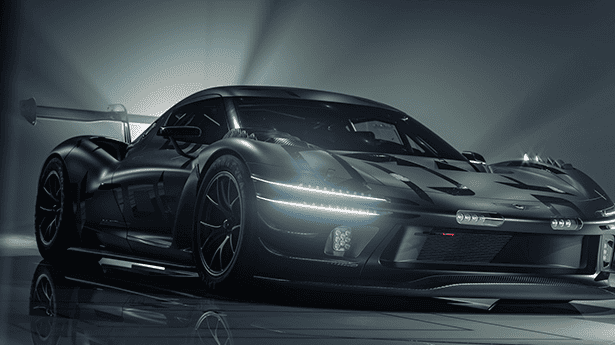
On June 14, 2026, the No. 19 GMR-001 Hypercar crossed the finish line at the Circuit de la Sarthe, completing 372 laps and securing 13th place overall in the premier Hypercar class. This milestone marked the first time a South Korean manufacturer competed in and completed the historic 24 Hours of Le Mans, covering 5,068 kilometers over 24 hours, 4 minutes, and 4 seconds of continuous racing. The grueling event demands extreme durability from every engine, transmission, and cooling component, proving to a global audience that the brand possesses the elite engineering capability required to compete at the highest levels of motorsport.
This historic achievement represents a fundamental shift in brand positioning, transitioning the manufacturer from a refined luxury marque into a dominant high-performance competitor. By entering the top-tier Hypercar class of the FIA World Endurance Championship, the brand directly challenged the established European luxury elite on their home turf. The data and experience gathered during this 24-hour marathon will serve as a high-speed laboratory, directly influencing the engineering, thermal management, and driving dynamics of the production models available to buyers today.
For corporate professionals in Dublin who expect absolute mechanical reliability and athletic prestige for their daily highway commutes, this endurance validation offers peace of mind that translates directly to the showroom floor.
Engineering the GMR-001: The Hybrid Technology Behind the Hypercar
While many luxury brands rely on legacy racing programs, Genesis engineered its endurance contender from the ground up in just 18 months. The GMR-001 Hypercar is built to meet strict Le Mans Daytona hybrid (LMDh) regulations, featuring a sophisticated powertrain that pairs a custom 3.2-liter turbocharged V8 engine with a rear-mounted 50 kW hybrid motor. This system produces a combined output of approximately 680 horsepower, integrating a standardized battery pack, gearbox, and motor-generator unit to maximize thermal efficiency and kinetic energy recovery under heavy braking.
Endurance racing requires an engine to withstand continuous operation at speeds exceeding 200 mph while managing extreme heat and mechanical stress. The technology honed through years of international rally competition was used to design custom intake, exhaust, cooling, and lubrication systems for the GMR-001. This ensures that the hybrid components and internal combustion engine work in perfect harmony, delivering consistent power delivery lap after lap.
This same dedication to advanced powertrain engineering and robust all-weather performance is reflected in the luxury vehicles waiting on our lot.
Engine & Performance
Powertrain specs by trim
| Feature | Advanced | Prestige | Prestige Black | Select | Standard |
|---|---|---|---|---|---|
| Engine | 2.5L | 2.5L | 3.5L | 2.5L | 2.5L |
| Horsepower | 300 hp | 300 hp | 375 hp | 300 hp | 300 hp |
| Torque | 311 lb-ft | 311 lb-ft | 391 lb-ft | 311 lb-ft | 311 lb-ft |
| Transmission | 8-speed automatic | 8-speed automatic | 8-speed automatic | 8-speed automatic | 8-speed automatic |
| Drivetrain | All-wheel drive | All-wheel drive | All-wheel drive | All-wheel drive | Rear-wheel drive |
What Genesis Magma Racing Means for the Brand
Genesis Magma Racing gives the brand a dedicated performance identity, turning Magma from a design concept into a proving ground for real engineering development. By completing the 24 Hours of Le Mans in the Hypercar class, Genesis showed that its performance future is being shaped through endurance-tested durability, hybrid power management, cooling strategy, and high-speed vehicle control.
For drivers in Columbus and Dublin, that matters because the Magma program connects Genesis luxury with a more athletic driving character. The lessons learned from racing the GMR-001 Hypercar can help influence future production models through sharper handling, stronger thermal management, and a more engaging feel behind the wheel.
For drivers in Columbus and Dublin, the significance is simple: Genesis is no longer only asking to be compared with established luxury brands on comfort, technology, and design. Through Magma Racing, Genesis is also building the credibility to be taken seriously as a performance brand. The result is a lineup that can feel refined on the commute, confident on the highway, and increasingly connected to the same engineering mindset that helped the No. 19 GMR-001 Hypercar finish its first 24 Hours of Le Mans.
Why Genesis Created Magma Racing to Challenge the Global Luxury Elite
Why would a brand that has already secured its place in the premium market pivot so aggressively into global motorsport? The creation of Genesis Magma Racing represents a calculated strategic move to build a dedicated high-performance division capable of competing with established performance programs. Led by Hyundai Motorsport under team principal Cyril Abiteboul, this factory racing effort leverages a massive performance and technology ecosystem to accelerate vehicle development.
The extreme conditions of endurance racing provide a unique development environment where engineers can push materials, aerodynamics, and software to their absolute limits. By testing new lightweight composites, advanced suspension geometries, and hybrid energy management systems on the track, the brand can rapidly validate technologies before introducing them to production road cars. This strategy ensures that future high-performance models are backed by genuine racing pedigree rather than simple styling packages.
This commitment to performance innovation directly enhances the value proposition for buyers shopping our showroom. Customers can browse our selection of new Genesis models to experience firsthand how track-tested engineering translates into precise steering response, sophisticated suspension dampening, and smooth power delivery. Every new model is designed to deliver an engaging driving experience that makes even the most routine commutes feel special.
From the Circuit to Columbus: How the Magma Program Elevates the G80 Sedan
When helping buyers compare trims on our showroom floor, I often point out how the bold design elements of the G80 Magma trace their lineage directly back to the GMR-001. The Magma program serves as the bridge between the racetrack and the road, applying the aerodynamic and mechanical lessons of Le Mans to a select group of production models. The exterior of these vehicles features a striking Magma Orange-to-red gradient livery, a direct nod to the design identity of the historic hypercars that conquered the Circuit de la Sarthe.
The production-ready G80 Magma receives a comprehensive suite of performance upgrades designed to elevate the driving experience. These features include:
A wider, lowered stance for improved high-speed stability and cornering grip
Advanced carbon fiber aero elements that optimize downforce and reduce drag
An exclusive performance exhaust system that enhances engine breathing and delivers a resonant exhaust note
Lightweight 21-inch lightweight wheels that reduce unsprung weight for sharper handling
High-performance upgraded performance brakes engineered to resist thermal fade during spirited driving
This track-inspired sedan is perfectly suited for urban professionals navigating the bustling commercial corridors and highway loops around Columbus.
Track-Tested Innovation: Is Genesis Becoming a True Performance Brand?
A common misconception is that luxury brands enter racing solely for marketing exposure. In reality, the establishment of Genesis Magma Racing and the successful completion of the Le Mans endurance race demonstrate a deep, long-term commitment to becoming a premier performance brand. The data acquired from running a hybrid hypercar for over 5,000 kilometers non-stop is actively being analyzed to refine future production drivetrains, battery cooling systems, and electronic chassis controls.
By proving its engineering mettle in the world's most demanding race, the brand has earned immediate credibility among automotive enthusiasts and luxury buyers alike. This transition ensures that the brand's future lineup will offer a compelling alternative to traditional European sport sedans and SUVs, combining award-winning luxury interiors with world-class driving dynamics.
Quick Answers Before You Visit
Q: What engine and hybrid system does the GMR-001 Hypercar use?
The GMR-001 Hypercar utilizes a custom 3.2-liter turbocharged V8 engine paired with a rear-mounted 50 kW hybrid motor built to LMDh specifications. This advanced hybrid powertrain produces a combined output of approximately 680 horsepower, utilizing regenerative braking systems to harvest energy and charge the onboard battery pack during endurance racing.
Q: What performance features are added to the G80 Magma?
The G80 Magma adds a wider, lowered stance, specialized carbon fiber aero elements, and an exclusive performance exhaust system. It also features lightweight 21-inch lightweight wheels and upgraded performance brakes designed to deliver sharper handling, increased downforce, and superior stopping power on both the road and the track.
Q: Why did Genesis choose Le Mans for its motorsport debut?
The brand chose the 24 Hours of Le Mans because it is widely regarded as the ultimate test of automotive durability, speed, and engineering quality. Successfully completing this 24-hour endurance race proves the reliability of the brand's hybrid powertrains and mechanical components under the most extreme conditions imaginable, establishing immediate engineering credibility.
Q: How does the Magma program influence the standard Genesis lineup?
The Magma program serves as a high-speed development lab where advanced technologies in thermal management, aerodynamics, and lightweight materials are tested under racing conditions. These track-proven innovations eventually filter down to standard production models, enhancing the overall structural rigidity, suspension tuning, and driving dynamics of the entire lineup.
Q: Are there any federal tax credits currently available for new Genesis electric or hybrid vehicles?
No, the federal IRC §30D New Clean Vehicle Credit and related clean vehicle programs were terminated for all vehicles acquired after September 30, 2025. The only exception is for buyers who took possession of a vehicle acquired on or before September 30, 2025, under a binding written contract; please consult our finance team and your tax professional to verify eligibility.
Prices and MSRP referenced in this article are estimates for informational purposes only and do not constitute an offer to sell. See dealer for complete details. Fuel economy estimates shown may differ from official EPA ratings and should not be relied upon as a guarantee of actual vehicle performance.
